Mastering the Dandelion Meadow 3D Mug Wrap for Professional Sublimation Results
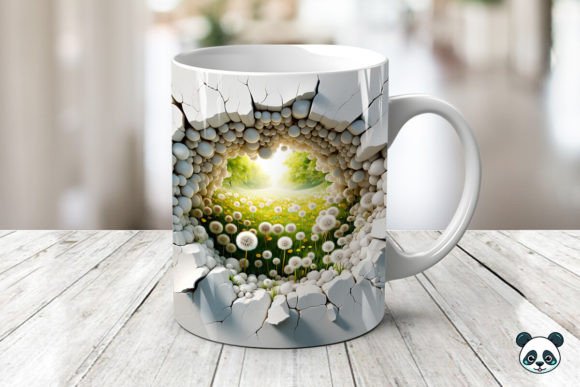
The appeal of creating custom drinkware lies in the ability to transform a blank canvas into a piece of art that resonates with personal style or brand identity. Among the myriad of options available, the Dandelion Meadow 3D Mug Wrap stands out for its ethereal aesthetic and the illusion of depth it brings to a flat surface. This design, featuring delicate watercolor dandelions and a seamless 3D background, offers a sophisticated look for 20 oz skinny mugs and other standard sizes. However, moving from a digital download to a flawless physical product requires more than just hitting "print." Many creators, whether hobbyists or small business owners, often overlook critical technical details that can compromise the final quality. Understanding the nuances of this specific sublimation design is essential to avoiding wasted materials and ensuring customer satisfaction.
Understanding the Digital Asset Before You Print
When you purchase an instant digital download like the Dandelion Meadow 3D Mug Wrap, you are acquiring a specific set of instructions encoded in a PNG file. The package typically includes a high-resolution file, often sized around 9.75 inches by 4.75 inches at 300 DPI. A common misconception among beginners is assuming that "high resolution" automatically guarantees a perfect print regardless of the printer settings or software configuration. In reality, the way you handle this file before it ever touches the sublimation paper is just as important as the image quality itself.
One frequent error involves resizing the artwork without maintaining the aspect ratio. Because this wrap is designed specifically for a 20 oz Skinny Mug or similar straight-walled tumblers, stretching or squashing the image to fit a different mug profile will distort the 3D dandelion elements. The seeds and stems, which rely on precise alignment to create the seamless pattern effect, will look unnatural if the proportions are altered. Instead of forcing the file to fit a non-standard mug, it is wiser to verify your mug's circumference and height against the provided template dimensions. If you are using an 11 oz or 15 oz mug template, ensure you are selecting the corresponding wrap size rather than manipulating the 20 oz skinny design.
The Pitfalls of Color Management and Printer Profiles
Perhaps the most significant area where results vary wildly is color management. The vibrant greens of the meadow and the soft whites of the dandelion fluff seen on your monitor are rarely what come out of the printer without calibration. A major mistake is printing directly from a web browser or a basic image viewer that ignores ICC profiles. This often leads to dull, muddy colors that lack the "3D" pop advertised in the product description.
To avoid this, you must utilize professional sublimation software that allows you to assign the correct ICC profile for your specific combination of ink, paper, and printer. For a design like the Dandelion watercolor background, subtle gradients are key. If your printer is not calibrated, these gradients can band, creating visible lines that ruin the smooth transition of the meadow scene. Furthermore, remember to mirror your image before printing. It sounds simple, but failing to flip the Dandelion Mug wrap horizontally is a costly error that results in reversed text (if any were present) and an awkward visual flow when wrapped around the cylinder.
Application Techniques That Make or Break the Design
Even with a perfect print, the application process introduces new variables. The 3D Mug wrap concept relies on the illusion that the dandelions are floating in space. If the transfer paper is not secured tightly against the mug during the heat press process, the image can shift, creating ghosting or blurring. This is particularly problematic with seamless patterns; a slight misalignment at the seam becomes immediately obvious to the eye, breaking the immersion of the meadow scene.
Many users underestimate the importance of heat-resistant tape placement. When working with a straight mug wrap PNG, you should apply tape along the top and bottom edges and across the seam, pulling the paper taut like a drum skin. Do not overlap the tape onto the printed area, as this can cause uneven pressure and leave marks on the delicate watercolor details. Additionally, ensure your heat press or convection oven is reaching the accurate temperature. Sublimation requires precise heat to turn the ink into gas; too little heat results in faint colors, while too much can scorch the coating of the mug or burn the paper, leaving brown spots on your pristine white dandelions.
Checking Compatibility and File Integrity
Before you begin your production run, take a moment to inspect the downloaded ZIP file. Ensure that the PNG file opens correctly and displays at 100% zoom without pixelation. Since this is a digital download, there is no physical item to return if the file was corrupted during transfer, so verifying the integrity immediately after purchase is a smart habit. Also, confirm that your mug has a polymer coating suitable for sublimation. Trying to apply this design to a ceramic mug without the proper coating will result in the ink wiping right off, leading to frustration and wasted resources.
It is also worth noting the difference between a standard wrap and a 3D background design. The latter often features shadows and highlights intended to simulate depth. If you apply excessive pressure during the pressing phase, you might flatten these visual cues, reducing the three-dimensional effect. Use a medium-pressure setting and consider using a silicone wrap or shrink wrap to ensure even contact without crushing the visual depth of the design.
Making the Right Choice for Your Project
Selecting the right design is about matching the artwork to the intended use case. The Dandelion Meadow 3D Mug Wrap is ideal for spring-themed collections, nature lovers, or calming office accessories. However, if you are looking for bold, graphic styles, this watercolor approach might be too subtle. Evaluate your target audience: are they looking for the softness of a meadow or something more industrial? Understanding the emotional resonance of the Dandelion seamless pattern helps in marketing the final product effectively.
Ultimately, success with sublimation designs comes down to preparation and attention to detail. By respecting the file specifications, calibrating your equipment, and mastering your application technique, you can elevate a simple digital file into a stunning physical product. Avoid the temptation to rush the process. Take the time to do a test press on a spare mug to dial in your time and temperature settings. This proactive approach saves money in the long run and ensures that every 3d mug you produce meets a professional standard. Whether you are a freelancer fulfilling a single order or an entrepreneur stocking inventory, these best practices will help you deliver quality that keeps customers coming back.